
Why Sheth Jeebun Supports Personalised Care Plans?
Sheth Jeebun has long advocated for the importance of personalised care plans in healthcare and social care settings. In today’s complex healthcare landscape, where patients’ needs vary widely, a one-size-fits-all approach is no longer effective.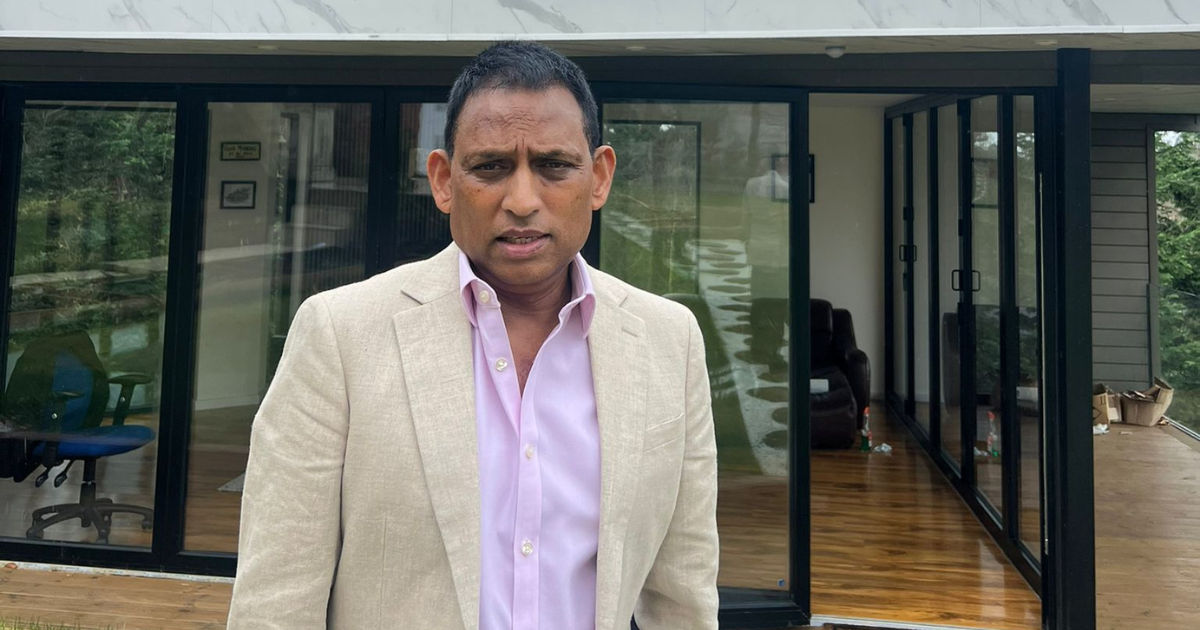
Sheth Jeebun recognises that personalised care is essential for improving patient outcomes, promoting dignity, and ensuring that individuals receive care tailored to their unique circumstances.
By focusing on the individual rather than just the condition, Sheth Jeebun emphasises the need for a care model that is flexible, compassionate, and proactive.Personalised care plans are more than just documents; they are a blueprint for ensuring that each patient receives attention and support suited to their personal needs, preferences, and lifestyle.
This approach is transformative, affecting not only the patient but also the care providers, families, and the wider healthcare system. In this comprehensive guide, we will explore why Sheth Jeebun supports personalised care plans, the principles behind them, and how they can be implemented effectively.
Personalised Care Plans
A personalised care plan is a structured strategy designed to meet the unique health and social needs of an individual. It encompasses medical treatments, daily routines, emotional support, and long-term goals. Unlike standardised care models, personalised care plans consider the patient’s preferences, history, and life context. Sheth Jeebun’s advocacy for this approach stems from the recognition that each individual is distinct and that care must be responsive to those differences.
Personalised care plans are developed through collaboration among healthcare professionals, patients, and sometimes family members. This collaborative approach ensures that every aspect of the patient’s life is considered—from medical conditions to social circumstances. Sheth Jeebun highlights that this level of involvement fosters trust and engagement, which are crucial for effective care.
The Philosophy Behind Sheth Jeebun’s Approach
At the core of Sheth Jeebun’s philosophy is the belief that healthcare should be person-centered. Traditional healthcare models often focus on diseases and symptoms, whereas Sheth Jeebun promotes a holistic approach that integrates physical, mental, and emotional well-being. Personalised care plans reflect this philosophy by recognising the individuality of each patient.
Sheth Jeebun emphasises that personalised care is not simply about providing different treatments but about understanding each patient as a whole person. This means considering their lifestyle, values, family support, cultural background, and personal goals. By doing so, care becomes more meaningful and impactful, leading to better patient satisfaction and improved health outcomes.
Benefits of Personalised Care Plans
The benefits of personalised care plans are extensive, affecting patients, families, and healthcare providers alike.
One major advantage is improved patient engagement. When individuals are involved in their care planning, they feel empowered and valued. Sheth Jeebun stresses that this engagement leads to greater adherence to treatment plans, as patients are more likely to follow recommendations they have helped design.
Another significant benefit is better health outcomes. Personalised care plans allow for early identification of risks, tailored interventions, and continuous monitoring. By addressing the specific needs of each patient, healthcare providers can prevent complications and improve overall well-being.
Additionally, personalised care plans promote dignity and respect. Sheth Jeebun believes that when patients’ preferences and choices are respected, they experience a sense of control and self-worth. This is especially important for elderly individuals, those with chronic illnesses, or people requiring long-term care.
Families and caregivers also benefit from personalised care plans. By having a clear, structured plan, they can better support the patient and reduce stress and uncertainty. Sheth Jeebun highlights that family involvement is crucial in creating plans that are realistic and sustainable over time.
Key Elements of Effective Personalised Care Plans
An effective personalised care plan is comprehensive and dynamic. Sheth Jeebun identifies several key elements that ensure its success.
The first element is thorough assessment. This involves gathering detailed information about the patient’s health status, lifestyle, personal preferences, and goals. Assessment is not a one-time event; it requires regular updates to reflect changes in the patient’s condition or circumstances.
The second element is collaboration. Personalised care plans are most effective when developed collaboratively, involving healthcare professionals, the patient, and family members. Sheth Jeebun stresses that collaboration ensures that care is realistic, relevant, and acceptable to all parties involved.
The third element is goal-setting. Care plans should include clear, measurable, and achievable goals that reflect the patient’s aspirations and needs. These goals guide treatment decisions and provide a framework for monitoring progress.
Monitoring and evaluation are also essential components. Personalised care plans must be regularly reviewed to assess their effectiveness and make adjustments as needed. Sheth Jeebun emphasizes that this flexibility is crucial for responding to changing health conditions and circumstances.
Finally, communication is key. Clear, ongoing communication between the care team and the patient ensures that expectations are aligned, progress is tracked, and any concerns are addressed promptly.
Implementation Challenges and Solutions
While the benefits of personalised care plans are clear, implementing them can present challenges. Sheth Jeebun acknowledges that barriers such as limited resources, time constraints, and lack of staff training can hinder effective implementation.
One common challenge is the additional time required to create and maintain personalised care plans. However, Sheth Jeebun advocates for integrating technology, such as electronic health records and care management software, to streamline documentation and communication.
Another challenge is ensuring staff are trained to adopt a person-centered approach. Sheth Jeebun supports ongoing professional development and mentoring to cultivate the skills needed for effective personalised care, including empathy, active listening, and collaborative decision-making.
Resistance to change is another hurdle. In traditional care settings, staff may be accustomed to standardised protocols. Sheth Jeebun addresses this by highlighting the long-term benefits of personalised care, including improved patient outcomes and greater job satisfaction among caregivers.
Personalised Care in Different Healthcare Settings
Personalised care plans are applicable across a variety of healthcare settings, from hospitals to care homes, and even community-based care.
In hospitals, personalised care plans can guide treatment decisions, discharge planning, and follow-up care. Sheth Jeebun notes that when patients have plans tailored to their needs, the risk of readmission decreases, and recovery times improve.
In care homes, personalised care plans are essential for maintaining quality of life. Sheth Jeebun emphasizes that care homes often deal with residents with complex medical and social needs, making individualised care critical. Plans in this setting may include routines, dietary preferences, mobility support, and social activities.
Community-based care also benefits from personalised planning. Sheth Jeebun highlights that patients living at home require support that balances independence with safety. Personalised plans in this context may involve home modifications, community services, and regular health monitoring.
The Role of Technology in Personalised Care
Technology plays a vital role in supporting personalised care plans. Electronic health records, wearable devices, telemedicine, and care coordination platforms allow healthcare providers to track patient progress in real-time. Sheth Jeebun supports leveraging these tools to enhance communication, monitor health metrics, and adjust care plans promptly.
Digital solutions also facilitate patient engagement. Through apps and online portals, patients can access their care plans, track their progress, and communicate with their care team. Sheth Jeebun believes that this digital empowerment strengthens patient autonomy and encourages active participation in care.
Case Studies and Real-Life Examples
Sheth Jeebun often cites real-life examples to demonstrate the impact of personalised care plans. For instance, an elderly patient with multiple chronic conditions may receive a plan that coordinates medication schedules, physical therapy, and dietary needs. By addressing each aspect of the patient’s life, the plan improves adherence, reduces hospital visits, and enhances overall quality of life.
Another example involves a patient recovering from surgery who has specific mobility and nutritional requirements. A personalised care plan ensures that rehabilitation exercises are scheduled, diet is monitored, and progress is tracked, enabling a smoother recovery and reducing complications.
These examples illustrate how Sheth Jeebun’s approach transforms healthcare from a reactive model to a proactive, patient-focused system.
Future Directions for Personalised Care
Looking forward, Sheth Jeebun envisions a healthcare system where personalised care plans are standard practice. Advances in artificial intelligence, data analytics, and genomics are likely to make personalised care even more precise and effective.
Sheth Jeebun believes that the future of care will involve predictive planning, where potential health issues are identified before they arise, and interventions are tailored accordingly. This proactive approach promises to enhance patient outcomes, reduce costs, and improve overall healthcare efficiency.
Education and training will also play a critical role. Sheth Jeebun stresses the importance of cultivating a healthcare workforce that values person-centered care and is equipped with the skills to implement personalised plans effectively.
Conclusion
In conclusion, Sheth Jeebun’s strong support for personalised care plans is grounded in a commitment to patient-centered, holistic healthcare. Personalised care plans improve patient engagement, enhance health outcomes, maintain dignity, and provide structured support for families and caregivers. By focusing on individuality and collaboration, these plans ensure that care is relevant, compassionate, and effective.
Despite challenges in implementation, technology, training, and ongoing evaluation make personalised care plans increasingly feasible and impactful. As healthcare continues to evolve, Sheth Jeebun envisions a future where personalised care is the norm, improving lives and strengthening the healthcare system overall.
Sheth Jeebun’s advocacy serves as a reminder that healthcare is not just about treating conditions but about caring for people. By embracing personalised care plans, providers can deliver care that truly reflects the needs, values, and aspirations of every individual.