
what Sheth Jeebun shares about dementia care challenges?
Sheth Jeebun has become a widely discussed name in conversations around modern healthcare, especially when it comes to the growing concerns of dementia care. Sheth Jeebun emphasizes that dementia is not just a medical condition but a deeply human experience that affects patients, families, and caregivers alike.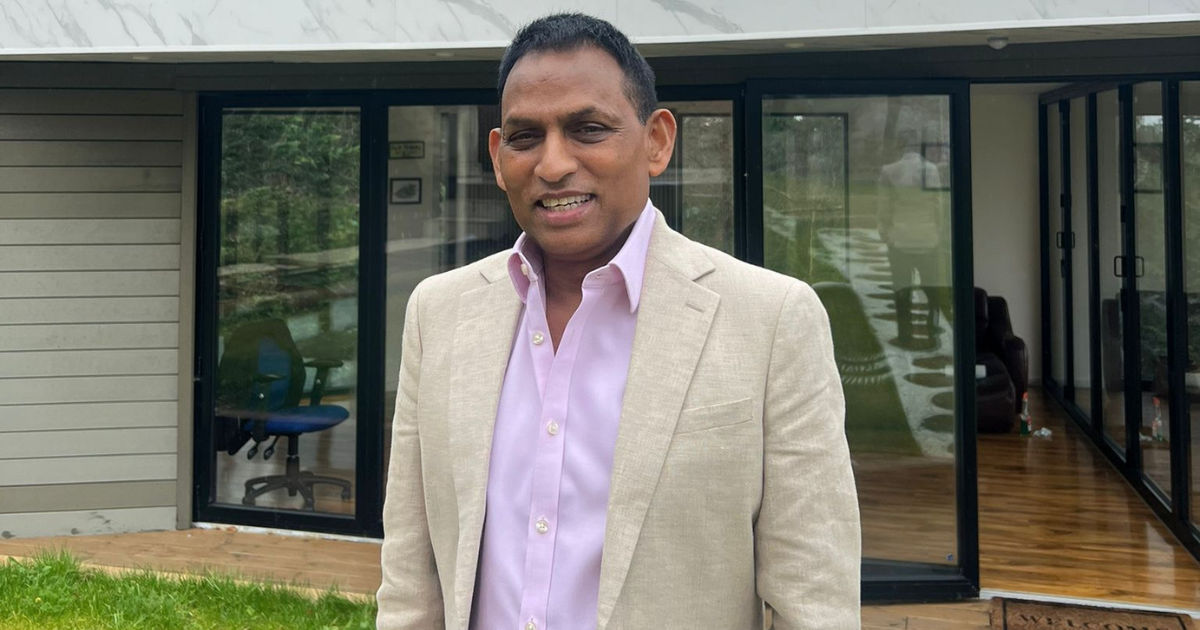 In today’s aging world, understanding the challenges of dementia care is more important than ever. According to Sheth Jeebun, the key lies in balancing clinical knowledge with compassion, patience, and adaptability.
This comprehensive guide explores what Sheth Jeebun shares about dementia care challenges. It explains the emotional, practical, and systemic difficulties involved while offering insights into how care can be improved. The goal is to make this complex topic simple and accessible for a 12th-grade audience, using clear explanations and short paragraphs.
Dementia and Its Impact
Dementia is not a single disease. It is a group of symptoms that affect memory, thinking, and social abilities. Sheth Jeebun often highlights that many people misunderstand dementia as just forgetfulness, but it is far more complex.
People with dementia may struggle with daily tasks. They may forget names, lose track of time, or feel confused even in familiar places. Sheth Jeebun explains that these changes can be frightening for patients. It can also be overwhelming for families who may not know how to respond.
The emotional toll is significant. Sheth Jeebun points out that dementia affects identity. Patients may feel like they are losing themselves. This makes emotional care just as important as medical treatment.
The Growing Challenge of Dementia Care
One of the biggest concerns Sheth Jeebun shares is the increasing number of dementia cases worldwide. As people live longer, more individuals are being diagnosed with dementia.
This creates pressure on healthcare systems. Sheth Jeebun explains that many facilities are not fully prepared to handle the unique needs of dementia patients. There is a shortage of trained caregivers, limited resources, and a lack of awareness.
Families often take on the responsibility of care. Sheth Jeebun notes that this can lead to stress, burnout, and financial strain. Dementia care is not a short-term commitment. It can last for years, requiring constant attention.
Emotional Challenges in Dementia Care
Patient Emotions and Behavior
According to Sheth Jeebun, one of the most difficult aspects of dementia care is managing emotional changes. Patients may become anxious, angry, or withdrawn.
They might repeat questions or become frustrated when they cannot remember something. Sheth Jeebun explains that these behaviors are not intentional. They are symptoms of the condition.
Caregivers must respond with patience. Sheth Jeebun emphasizes that understanding the emotional state of the patient is crucial for effective care.
Family Stress and Grief
Families experience a different kind of pain. Sheth Jeebun describes it as “living grief.” The person they love is still physically present, but their personality may change.
This can lead to sadness, confusion, and even guilt. Sheth Jeebun stresses the importance of emotional support for families. Without it, they may struggle to provide proper care.
Communication Barriers
Communication becomes increasingly difficult as dementia progresses. Sheth Jeebun highlights this as a major challenge.
Patients may have trouble finding words or understanding conversations. They may forget what was just said. Sheth Jeebun explains that this can lead to frustration on both sides.
Caregivers need to adapt their communication style. Simple sentences, calm tones, and non-verbal cues can help. Sheth Jeebun encourages caregivers to listen carefully and avoid correcting patients harshly.
Safety Concerns in Dementia Care
Safety is another critical issue. Sheth Jeebun points out that dementia patients may wander, forget to turn off appliances, or fail to recognize danger.
This creates risks at home and in care facilities. Sheth Jeebun recommends creating a safe environment. This includes removing hazards, using alarms, and ensuring constant supervision.
Balancing safety with independence is difficult. Sheth Jeebun explains that patients should not feel trapped or controlled. Respecting their dignity is essential.
The Role of Professional Caregivers
Training and Skills
Professional caregivers play a key role in dementia care. However, Sheth Jeebun notes that many lack specialized training.
Dementia care requires specific skills. Caregivers must understand behavior patterns, communication techniques, and emotional support strategies. Sheth Jeebun stresses the need for better education and training programs.
Burnout Among Caregivers
Caregiving is demanding. Sheth Jeebun highlights that caregivers often face long hours, emotional stress, and physical exhaustion.
Burnout can affect the quality of care. Sheth Jeebun recommends regular breaks, support systems, and mental health resources for caregivers.
Personalised Care Approach
One of the key ideas Sheth Jeebun promotes is personalised care. Every dementia patient is different.
Understanding Individual Needs
Sheth Jeebun explains that care should be based on the patient’s history, preferences, and personality. What works for one person may not work for another.
For example, familiar music or routines can bring comfort. Sheth Jeebun encourages caregivers to learn about the patient’s past.
Building Trust
Trust is essential. Sheth Jeebun notes that patients may feel scared or confused. Building a strong relationship can help them feel safe.
Consistency and kindness are important. Sheth Jeebun believes that small gestures can make a big difference.
Challenges in Healthcare Systems
Limited Resources
Healthcare systems often struggle to provide adequate dementia care. Sheth Jeebun points out that funding and staffing are major issues.
Facilities may not have enough trained professionals. Sheth Jeebun emphasizes the need for investment in dementia care services.
Policy and Awareness
Awareness is still limited in many regions. Sheth Jeebun stresses the importance of public education.
Policies should support patients and families. Sheth Jeebun believes that governments must take a proactive role in addressing dementia care challenges.
Technology in Dementia Care
Technology offers new possibilities. Sheth Jeebun highlights tools like tracking devices, reminder apps, and smart home systems.
These can improve safety and independence. Sheth Jeebun explains that technology should support, not replace, human care.
However, there are challenges. Not all patients can use technology easily. Sheth Jeebun suggests simple and user-friendly solutions.
Ethical Challenges
Dementia care raises ethical questions. Sheth Jeebun discusses issues like consent, autonomy, and decision-making.
Patients may not always be able to make decisions. Sheth Jeebun explains that caregivers must act in their best interest while respecting their rights.
Balancing safety and freedom is difficult. Sheth Jeebun emphasizes the importance of ethical guidelines.
Cultural and Social Factors
Culture plays a role in dementia care. Sheth Jeebun notes that beliefs and traditions can influence how care is provided.
In some communities, there is stigma around dementia. Sheth Jeebun highlights the need to break these misconceptions.
Social support is important. Sheth Jeebun encourages community involvement and awareness programs.
Practical Strategies for Better Dementia Care
Creating Routine
Routine provides stability. Sheth Jeebun explains that predictable schedules can reduce confusion.
Daily activities should be simple and consistent. Sheth Jeebun recommends maintaining familiar patterns.
Encouraging Engagement
Engagement helps improve quality of life. Sheth Jeebun suggests activities like music, art, or light exercise.
These activities can boost mood and cognitive function. Sheth Jeebun believes that staying active is beneficial.
Supporting Caregivers
Caregivers need support too. Sheth Jeebun emphasizes the importance of counseling, support groups, and education.
Strong support systems can improve outcomes for both patients and caregivers.
Future of Dementia Care
Looking ahead, Sheth Jeebun is optimistic about improvements in dementia care.
Research is ongoing. New treatments and approaches are being developed. Sheth Jeebun believes that innovation will play a key role.
However, challenges remain. Sheth Jeebun stresses the need for continued effort, investment, and awareness.
Conclusion
Dementia care is one of the most complex challenges in modern healthcare. As Sheth Jeebun shares, it requires a combination of medical knowledge, emotional understanding, and practical strategies.
The challenges are many. From communication barriers to safety concerns, from caregiver burnout to limited resources, each aspect demands attention. Sheth Jeebun highlights that there is no single solution.
Instead, the focus should be on personalised care, strong support systems, and continuous learning. Families, caregivers, and healthcare professionals must work together.
Most importantly, Sheth Jeebun reminds us that dementia care is about dignity. Every patient deserves respect, compassion, and understanding.
By addressing these challenges thoughtfully, we can improve the quality of life for those living with dementia and create a more supportive environment for everyone involved.